How long should a boiler actually last? (And how to make yours last longer)
The honest answer is 10 to 15 years for a combi. Most don't. Here are the four things that genuinely buy you another five years on the back end.
The honest answer
For a modern condensing combi boiler, you should reasonably expect 10 to 15 yearsof service. For an older heavy-cast regular boiler with a separate hot water cylinder (the kind a lot of Reading semis still have), 20 to 25 years isn’t uncommon, although the controls and the cylinder will probably be tired long before the boiler itself.
The thing is, very few combis make it past 12. Not because the product is bad, but because the way they’re looked after is. Below are the four reasons most boilers fail before their time, and the four habits that keep them alive longer.
Why most boilers fail before they should
1. No annual service
The single biggest reason. An annual service costs less than a weekly Sainsbury’s shop and takes thirty minutes; skipping it for five years voids the warranty, doubles the rate of fan and PCB failures, and means small problems become big problems. We see boilers that haven’t been touched since the day they were fitted, and they’re always the first to die.
2. No system filter
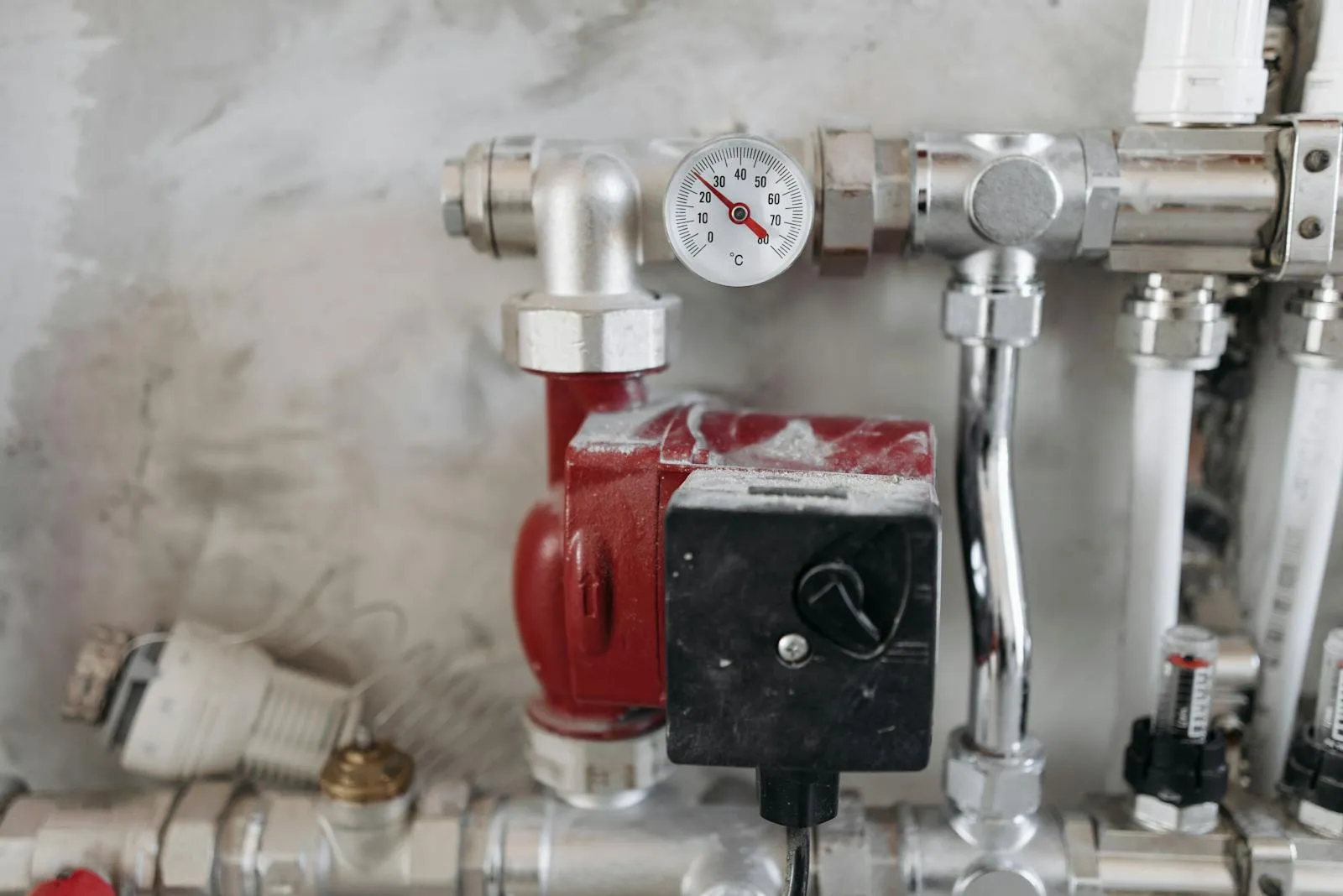
A magnetic filter (a Magnaclean, an Adey, a Fernox) is a 200mm canister we plumb into the return pipe. It catches the iron oxide that radiators slowly shed into the system water. Without one, that sludge lands in the boiler’s heat exchanger and in the pump, both of which are expensive to replace. With one, we tip the canister out into a bucket once a year at the service.
3. Hard-water build-up
Reading sits in a hard-water area. The hot side of a combi boiler heats fresh mains water on demand, which means it’s constantly exposed to whatever calcium carbonate is dissolved in your supply. Over five or ten years, that scales up the plate heat exchanger, restricts hot-water flow, and makes the boiler work harder for the same output.
A cheap inline scale reducer fitted on the cold mains in the airing cupboard solves it. We retrofit them for £140 fitted, and we recommend one on every install in RG postcodes.
4. The original install was rushed
The unfortunate truth is that some boilers are doomed from day one. A flue with the wrong fall, a condensate that runs cold, an undersized gas supply, a system that wasn’t flushed properly before the new boiler went on. We see it most often in boilers fitted by “a mate” or by a national chain rushing a same-day swap. There’s no fix for a bad install except a re-install, but spotting one early is half the battle.
The four things that genuinely extend boiler life
- Annual service. Every year, on the same month if you can. Manufacturers require it for warranty. Engineers like us catch the small stuff (a sticky diverter, a weeping seal, a loose flue clip) before it becomes a weekend call-out.
- Magnetic filter on the return.About £180 to fit retrospectively. Pays for itself the first time a system flush isn’t needed.
- Scale reducer on the cold mains if you live in a hard-water area like Reading. Lengthens the life of the plate heat exchanger by years, and the kitchen kettle thanks you too.
- A decent thermostat with a sensible schedule. Set-back overnight, off when the house is empty, target temperatures of 19 to 20 degrees not 24. Less time at full burn means less wear on every component.
Signs yours is on the way out
You don’t need to ring us the moment the boiler grumbles, but watch for the following:
- A yellow flame instead of blue at the burner. Blue is a clean, complete burn. Yellow is incomplete combustion and a CO risk. Stop using the boiler and ring a Gas Safe engineer the same day.
- Banging, kettling, or knocking from the boiler when it fires. Sludge or scale on the heat exchanger. Repairable, but the longer you leave it the closer to replacement you get.
- Frequent pressure loss (more than a top-up a fortnight). Either a leak somewhere, or the expansion vessel inside the boiler has lost its charge. Both are jobs for an engineer, neither needs an immediate replacement.
- Rising gas bills with no change in usage. As boilers age and scale up, their efficiency drops. A 4% drop in efficiency on a £1,800-a-year gas bill is £72 a year you don’t need to spend.
- Lockouts more than once a quarter.Once a year is fine. Once a month is the boiler telling you it’s tired.
Repair or replace? The £500 rule
Our rule of thumb, written on the back of plenty of envelopes over the years: if the boiler is over ten years old and the repair quote is over £500, you almost always come out ahead by replacing. New boilers are 10 to 15% more efficient than ten- year-old ones, the warranty resets to 12 years on a Worcester Greenstar 8000 install, and you stop throwing good money after bad on the next breakdown six months later.
Below £500 on a boiler under ten years old, repair almost always wins. The grey area between is where a survey and an honest chat earn their keep. We’ll tell you which side of the line your job falls on, and we’ll write the recommendation down so you can think about it overnight.
One quick aside: should I service it myself?
No. Servicing a gas appliance is, by law, a Gas Safe registered job. The boiler’s casing is sealed for a reason: the combustion chamber relies on a precise air-tight seal, and the gas valve has to be set with a manometer. Topping up the pressure, bleeding a radiator, wiping the front of the boiler: all fine to do yourself. Anything that means opening the case, anything involving the gas supply, anything involving the flue: not yourself. Not even once.
If your boiler is overdue a service, ring us. £89 covers the full Gas Safe service, the combustion analysis, the magnetic filter clean-down, and a written report you can hand to the warranty team if anything ever does go wrong.
About the author

Tom Northgate
Owner, Gas-Safe engineer
22 years on the tools
Started his apprenticeship in 2003, qualified in 2007, set up Northgate in 2011 after a decade with a Reading installer. Still does install surveys himself.
More from the blog
See all articles On the job
On site this week: replacing a 35-year-old Worcester boiler in Earley
A 1991 floor-standing Worcester finally locked out for good. Here's what we put in its place, why, and what the customer paid.
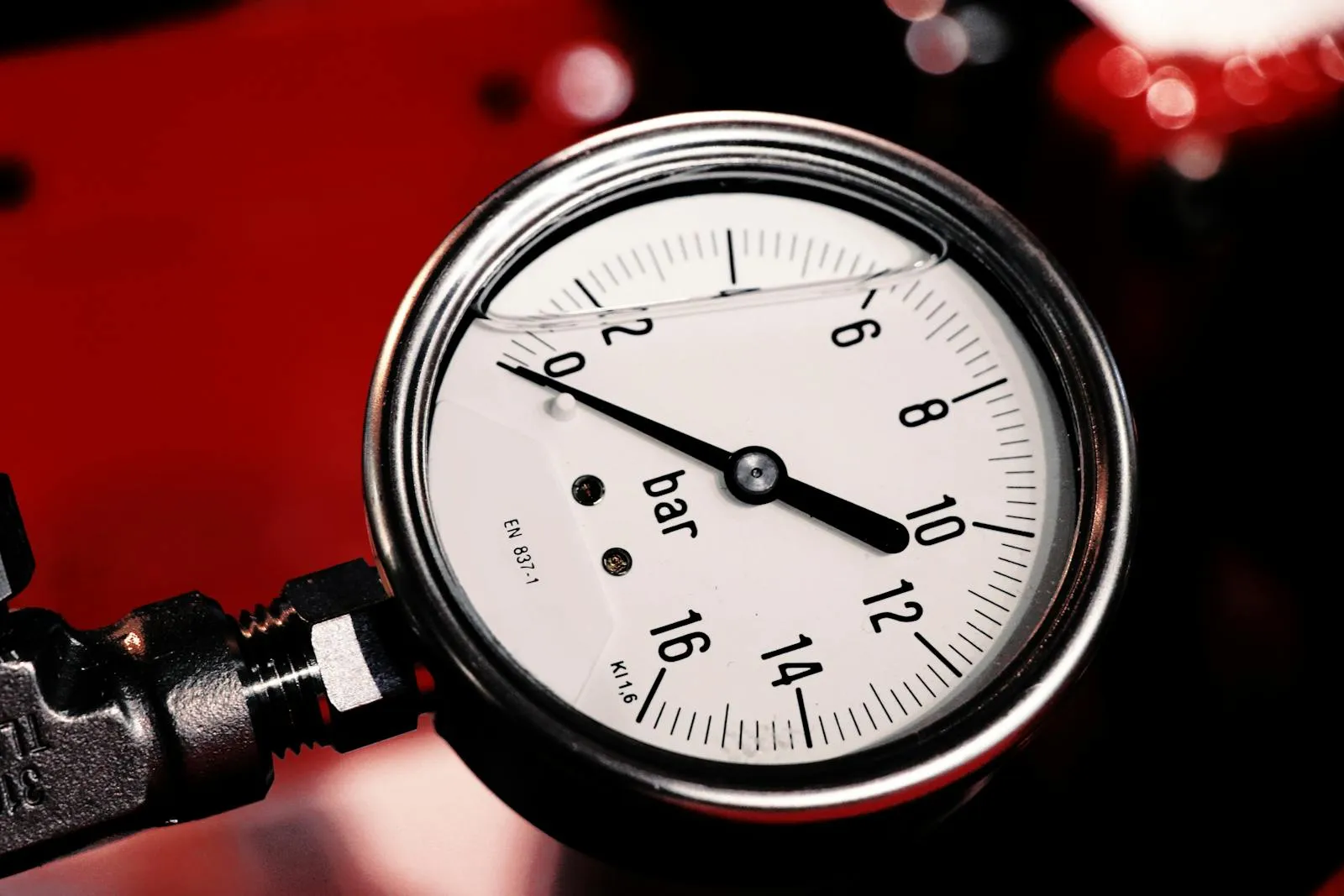 Advice
Why is my boiler losing pressure (and when to actually worry)
Topping up the system once a year is normal. Topping it up twice in a week isn't. Here's how to tell the difference, plus the three causes worth ringing about.
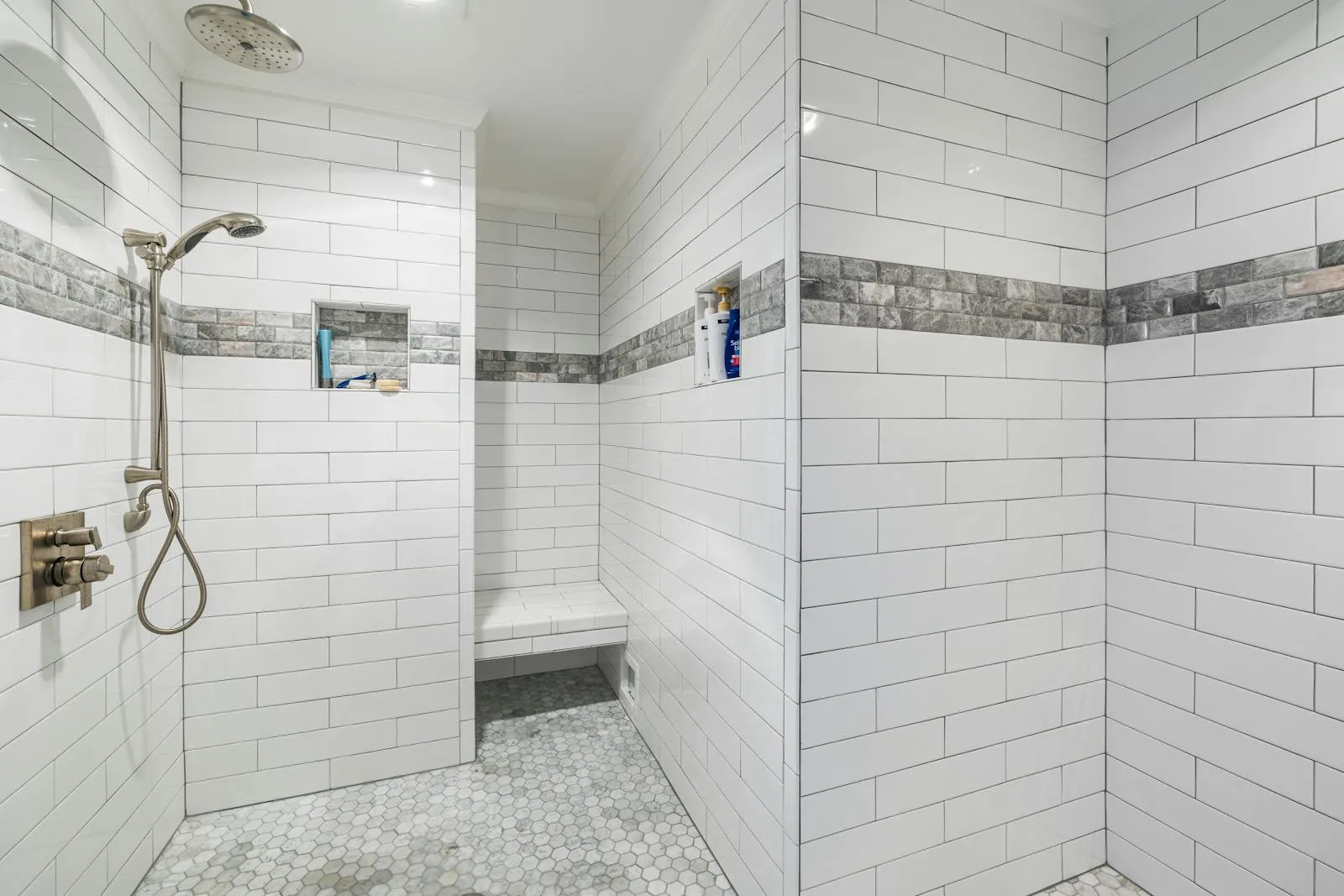 Case study
Bathroom refit in Caversham: stripping a 1980s suite back to the studs
Avocado bath, pine tongue-and-groove, and a hidden lead pipe behind the panelling. Five working days from strip-out to walking the client through the new walk-in shower.